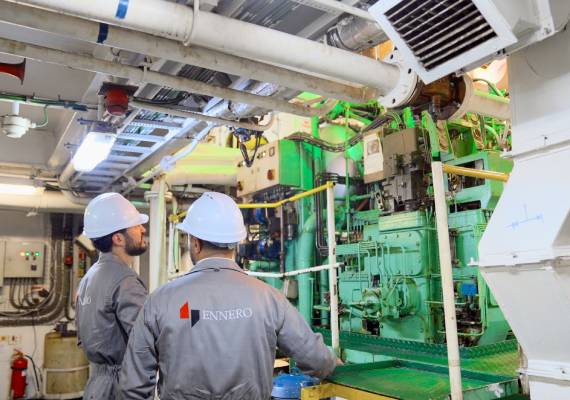
Extreme heat can push any machine to its limit. Cold climates make fluids thick and slow. Industrial equipment works best when its lubricant stays stable under pressure. From desert sun to freezing nights, the right formula keeps parts moving smoothly.
A broken-down machine costs time and money. That’s why performance matters in every drop. Let’s find out how ENOC lubricants keep their cool when temperatures climb.
Staying stable when heat rises:
High heat can make thin oils watery. When a liquid becomes too thin, it stops covering metal parts properly. This leads to parts rubbing together and breaking. Quality fluids use special parts to stay thick when things get hot. This keeps a strong layer of protection between moving pieces so they do not touch or grind.
Keeping flow in freezing cold:
Cold weather makes most liquids thick and slow like honey. If an oil stays too thick, it cannot reach the top of the engine fast enough during a start. This creates a few seconds where metal hits metal without any help. Good fluids are made to stay liquid even in ice-cold air. They move instantly to reach every small corner.
Fighting off chemical breakdown:
Extreme heat causes liquids to mix with oxygen and change their shape. This process creates sludge that sticks to parts and blocks small holes. When the fluid stays stable, it does not turn into this sticky mess. It keeps the inside of the machine clean and free of dirt. A clean machine runs cooler and lasts for a very long time.
Reducing wear from friction:
Every time two pieces of metal rub, they lose tiny bits of material. Over days and months, these small losses add up to big repairs. Special additives in the fluid create a shield on the metal. This shield takes the hit so the metal does not have to. Even when the temperature changes, this shield stays strong and keeps everything smooth.
Carrying heat away from parts:
Fluids do a job similar to water in a radiator by moving heat around. As the liquid flows, it picks up warmth from the hottest spots and moves it to cooler areas. This helps keep the whole system at an even temperature. Without this movement, some parts would get too hot and fail. Constant flow helps maintain a safe balance inside.